
Fragrance labels can look like a secret code: Parfum, Eau de Parfum, Eau de Toilette and Eau de Cologne. They generally describe the concentration of aromatic material in the formula, but there is an important catch: exact percentages and performance can vary by fragrance house.
Parfum and extrait
Parfum or extrait is usually the richest concentration. It can feel dense and smooth, often sitting closer to the skin while maintaining a long dry-down. The Perfume Society gives roughly 15–25% as an average guide for perfume and 20–30% for extract or extrait, while stressing that formulas vary.
Eau de Parfum (EDP)
Eau de Parfum is one of the most popular formats because it often balances presence, depth and longevity. The Perfume Society's general guide places EDP around 8–15% fragrance concentration.
Eau de Toilette (EDT)
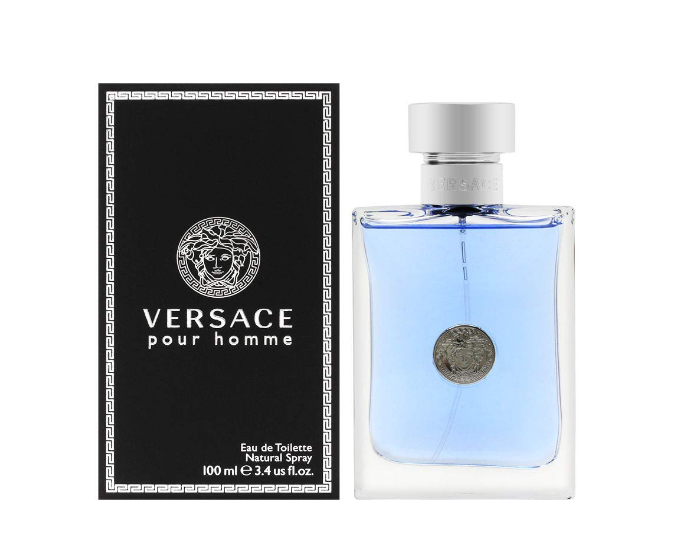
EDTs often feel brighter or more transparent in the opening. The same guide places EDT around 4–8%. Many people enjoy EDT for daytime or warm weather, although a well-built EDT can still have excellent presence.
Eau de Cologne (EDC)
Cologne is typically lighter, with an average concentration around 2–4% in The Perfume Society's guide. Traditional cologne styles are often associated with a refreshing citrus-and-aromatic character.
Does a higher concentration always mean better?
No. Concentration is only one part of performance. Ingredient choices, formula structure, skin, climate and application all affect how a scent projects and lasts. An EDT and EDP with the same fragrance name can also use different balances of notes, so the EDP is not always simply a stronger copy of the EDT.
Which one should you choose?
If you enjoy a lighter, fresher impression, an EDT may be ideal. If you prefer more depth and a longer dry-down, an EDP or Parfum may suit you better. The most useful approach is to test the exact concentration you plan to buy rather than choosing only from the letters on the box.
NYF tip: Compare the opening and the dry-down of each concentration. Sometimes the version with the lower concentration is actually the one whose personality you prefer.
This guide was independently written by New York Fragrance using The Perfume Society's educational scent-strength guide as technical background.
Source & further reading: The Perfume Society — Cologne to Parfum: Scent Strength Guide